A Hands-On Approach to Regulation and Healing
Clay Field Therapy® is a body-based therapeutic approach that uses touch, movement, pressure, resistance and sensory contact with clay to support emotional regulation and healing.
Unlike pottery or art-making, the aim is not to create an object. There is no expectation to make something beautiful, meaningful or complete. Instead, the focus is on what happens through the hands as they meet the clay.
For many people, this can offer a different way into therapy — especially when talking alone does not feel enough.
Therapy through the hands
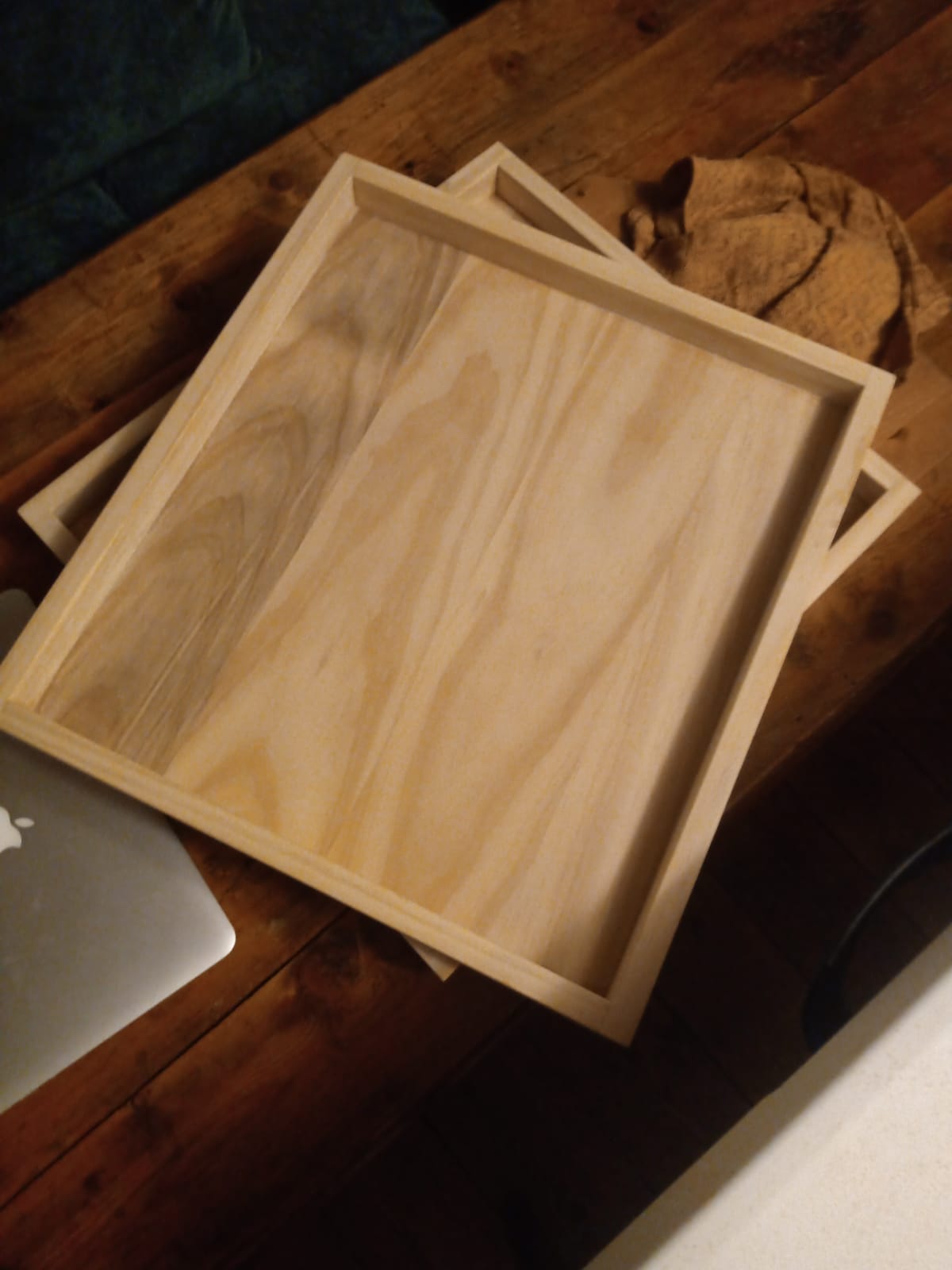
In a Clay Field Therapy session, the person sits in front of a shallow wooden box filled with clay. There is also water available. The hands are invited to begin exploring the clay in whatever way feels natural.
This might include pressing, pushing, smoothing, gripping, digging, gathering, tearing, stroking, holding or resting.
The clay responds immediately. It gives way, but it also offers resistance. It can be soft, firm, wet, heavy, sticky, smooth or grounding. Through this contact, the hands receive constant feedback.
This feedback can help the body begin to organise itself.
Where talking therapy often begins with words, Clay Field Therapy begins with direct sensory experience.
Why regulation matters
Many people come to therapy feeling overwhelmed, anxious, shut down, disconnected or stuck. They may understand some of the reasons why they feel this way, but still find that their body continues to react as though it is unsafe.
This is where regulation becomes important.
Regulation is the body’s ability to settle, recover, orient and respond without becoming flooded or collapsed. It is not simply “calming down.” It is the deeper capacity to feel more present, more held, and more able to meet what is happening.
Clay Field Therapy supports regulation through the hands. The person does not have to explain everything first. The body can begin with contact, movement and felt experience.
For some people, this is a relief. It means therapy does not have to depend entirely on finding the right words.
The clay as a responsive field
The clay field is not a blank material waiting to be shaped into art. It is a responsive field that meets the hands.
When you press into the clay, it receives pressure. When you push, it pushes back. When you grip, it offers substance. When you add water, the clay changes. When you slow down, the whole experience can change with you.
This creates a living feedback loop between the hands, the clay and the body.
The person begins to discover what kind of contact they need. More pressure. Less pressure. Movement. Stillness. Resistance. Softness. A boundary. A hold.
This is why Clay Field Therapy can be powerful. The support is not imposed from outside. It is discovered through the person’s own embodied process.
It is not about making or interpreting
One of the most common misunderstandings is that Clay Field Therapy is about making a sculpture and then analysing what it means.
It is not.
The therapist does not sit back and interpret the clay. The work is not about judging the final shape or turning the clay into a symbolic object. What matters most is the process: how the hands move, what the body seeks, where resistance appears, what becomes possible, and how the person responds to the clay in the moment.
The meaning often comes through the experience itself.
Sometimes a person may speak during the session. Sometimes they may work quietly. Both are welcome. The work does not require performance, explanation or artistic skill.
The importance of the self-found hold
A key concept in Clay Field Therapy is the self-found hold.
This refers to a moment where the person’s own hands discover a form of support in the clay. This might look like pressing both hands deeply into the clay, cupping and holding a piece of clay, gripping something firm, gathering the clay together, or finding a resting place where the body feels more supported.
The important point is that the hold is found by the person, not given by the therapist.
This can be deeply regulating. The body experiences support through its own action. The hands find something that feels steady, containing or strong enough.
For people who have felt unsupported, overwhelmed or disconnected from themselves, this can become a powerful therapeutic moment.
Who can Clay Field Therapy help?
Clay Field Therapy may be helpful for adults who feel:
- anxious, overwhelmed or dysregulated
- disconnected from their body or emotions
- stuck despite understanding their difficulties
- tired of trying to talk their way through everything
- drawn to a more embodied and experiential form of therapy
- curious about working with touch, movement and sensory experience
It may also be useful for therapists, counsellors and helping professionals who want to understand how clay can be used therapeutically in a deeper way than simple creative expression.
Clay Field Therapy is not about replacing talking therapy. For some people, words are important and helpful. But for others, the body needs another route into healing.
What happens in a session?
A session usually begins gently. You do not need to know what to do. You do not need to arrive with a clear story or goal. The therapist supports the process by staying alongside you, noticing what is happening, and helping the work unfold safely.
You may begin with hesitation, curiosity, pressure, movement or stillness. You may add water. You may make marks. You may gather the clay. You may find yourself wanting to push, hold, smooth, break apart or rebuild.
There is no right way.
At the end, there is time to come back from the work, notice what has happened, and leave in a grounded way. The clay is returned to the field. The value of the session is not in an object you take home, but in the experience your body has had.
Why Clay Field Therapy is different
Clay Field Therapy is different because it works directly through the hands and body. It does not rely only on conversation, insight or memory. It allows the person to experience regulation, support and agency through touch.
For some people, this can reach places that words alone cannot easily reach.
The hands have their own intelligence. They know how to search, test, grasp, release, hold, protect and connect. In Clay Field Therapy, this natural haptic intelligence becomes part of the therapeutic process.
Healing does not always begin with explanation.
Sometimes it begins with contact.
Clay Field Therapy in the West Midlands
I offer Clay Field Therapy sessions in the West Midlands for adults who are looking for a more embodied, hands-on approach to therapy. Sessions are in person and carefully paced around your own process.
You do not need to be artistic. You do not need experience with clay. You do not need to know what to say.
You begin with your hands, the clay, and the possibility of discovering something different.
Book an initial Clay Field Therapy session in the West Midlands
or
Learn more about upcoming Clay Field Therapy workshops